
Loan

Home Loan
Eligibility Criteria:
- Individuals and entities, including minors, HUFs (Hindu Undivided Families), firms, companies, and trusts, are eligible to apply for a PAN card.
- PAN is essential for financial transactions and income tax purposes.
Documents Required:
Proof of Identity (Any one of these):
- Aadhar card
- Passport
- Voter ID
- Driving License
Proof of Address (Any one of these):
- Aadhar card
- Passport
- Voter ID
- Driving License
- Utility bill (electricity, water, gas, etc.)
Proof of Date of Birth (Any one of these):
- Birth certificate
- Passport
- Aadhar card
- Matriculation certificate
Photograph: Recent passport-sized color photograph.
Form 49A or 49AA: Duly filled and signed application form, which can be downloaded from the official NSDL or UTIITSL website.
Fee Payment: Payment of the applicable processing fee, which can vary based on the mode of application (online or physical form).
For entities other than individuals, additional documents such as partnership deed, certificate of registration, or incorporation certificate may be required.
Non-resident Indians (NRIs) may need to provide additional documents like a copy of the passport or a foreign bank account statement.
In the case of minors, the parent or guardian’s documents are required along with a birth certificate.
Applicants should ensure that all documents submitted are valid, legible, and match the information provided in the application form.

Mortgage Loan
Personal Identification Documents:
- Passport-sized photographs
- Proof of identity (Passport, Voter ID, Driving License, etc.)
- Proof of age (Birth certificate, Passport, PAN card, etc.)
Proof of Residence:
- Aadhar card
- Recent utility bills (electricity, water, gas)
- Rental agreement (if applicable)
Income and Employment Documents:
- Salary slips for the last 3 to 6 months
- Form 16 and Income Tax Returns (ITR) for the last 2 to 3 years
- Employment certificate from the employer
- Bank statements for the last 6 to 12 months
Property Documents:
- Title deed of the property
- Encumbrance Certificate for the last 30 years
- Property tax receipts
- Approved building plan
- NOC from relevant authorities
Financial Documents:
- Proof of investments (FDs, shares, etc.)
- Life insurance policies
- Details of other loans (if any)
Details of Existing Mortgage (if applicable):
- If you’re refinancing or getting a second mortgage, documents related to the existing mortgage.
Eligibility Criteria for Mortgage Loan:
Equity in the Property: The amount of loan you can get depends on the equity you have in your property. Equity is the current market value of your property minus the outstanding mortgage balance.
Credit Score: A good credit score is crucial. Lenders might have specific credit score requirements for mortgage loans.
Income and Debt-to-Income Ratio: Your income and your debt-to-income ratio play a significant role in determining how much you can borrow. Lenders want to ensure you have enough income to cover your debts.
Loan-to-Value (LTV) Ratio: LTV is the ratio of the loan amount to the appraised value of the property. Lenders often have maximum LTV ratios, meaning they will not lend you the full value of the property.
Property Appraisal: The property will be appraised to determine its current market value. The loan amount will often be a percentage of this appraised value.
Employment Stability: Lenders prefer borrowers with stable employment or a stable source of income.
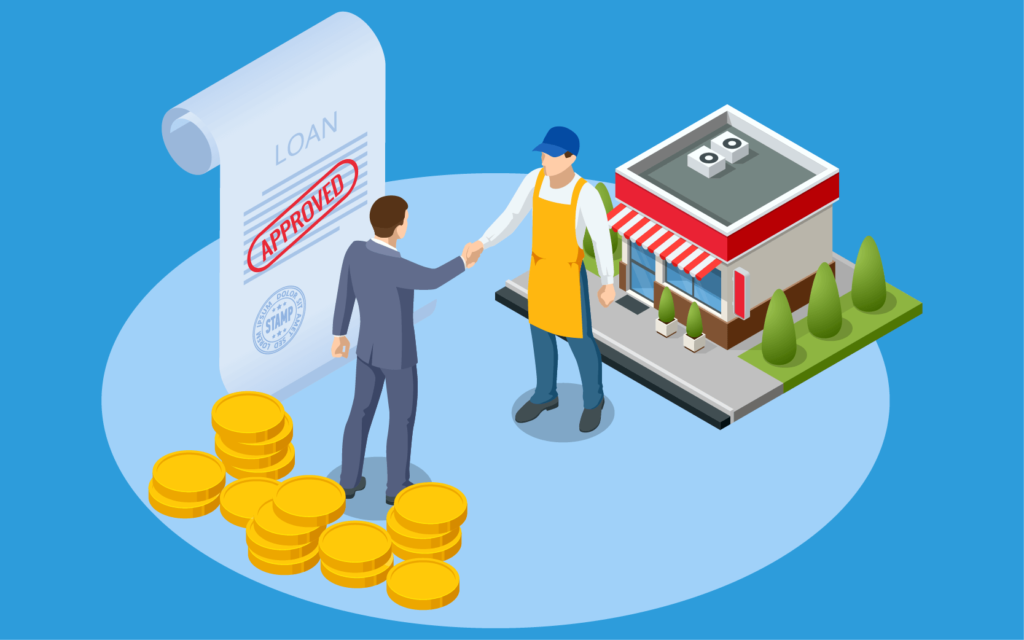
Business Loan
Business Plan:
- Detailed business plan outlining your business model, revenue streams, market analysis, and financial projections.
Proof of Business Ownership:
- Business registration documents (Certificate of Incorporation, Partnership Deed, etc.)
- Memorandum and Articles of Association (for companies)
- Business licenses and permits
Financial Statements:
- Audited financial statements (profit and loss statement, balance sheet, cash flow statement) for the past 2-3 years (for an existing business).
- Projected financial statements for the loan tenure (for new businesses).
Bank Statements:
- Business bank account statements for the last 6-12 months to demonstrate your cash flow.
Income Tax Returns (ITR) of Business Owners/Partners:
- Personal ITR for the last 2-3 years of all the business owners/partners.
Collateral Documents (if applicable):
- Details of assets that will be pledged as collateral, such as property, equipment, or inventory.
- Property documents, if the loan is secured against property.
Eligibility Criteria for Business Loan:
Credit Score
Business Stability
Cash Flow
Collateral
Industry Type
Debt-to-Income Ratio
Purpose of the Loan

BT TOP Up
Documents Needed for a BT Top-Up Loan:
Loan Closure Letter: Proof that your existing loan has been closed or will be closed after the balance transfer.
Sanction Letter of Existing Loan: A letter from your current lender detailing the terms and conditions of your existing loan.
Loan Account Statements: Statements from your existing loan showing the outstanding balance and repayment track record.
Property Documents (for Home Loan Top-Up):
- Title deed of the property
- Encumbrance Certificate for the last 30 years
- Property tax receipts
- Approved building plan
- NOC from relevant authorities
Personal Identification and Financial Documents:
- Proof of identity (Passport, Voter ID, Driving License, etc.)
- Proof of age (Birth certificate, Passport, PAN card, etc.)
- Salary slips for the last 3 to 6 months
- Form 16 and Income Tax Returns (ITR) for the last 2 to 3 years
- Bank statements for the last 6 to 12 months
Property Valuation Report: A report from a valuator estimating the current market value of your property.
Eligibility Criteria for BT Top-Up Loan:
Existing Loan: You should have an existing loan (home loan, personal loan, car loan, etc.) from which you want to transfer the balance.
Loan Repayment Track Record: A good repayment track record on your existing loan is crucial. Lenders will assess your payment history to determine your creditworthiness.
Property Valuation: For home loan top-ups, the market value of the property should be sufficient to cover the loan amount.
Credit Score: A good credit score is essential. Lenders often have specific credit score requirements for top-up loans.
Stability of Income: Lenders prefer borrowers with a stable source of income to ensure timely repayments.
Debt-to-Income Ratio: Your debt-to-income ratio, which is the ratio of your monthly debt obligations to your monthly income, will be considered.
Loan-to-Value (LTV) Ratio: LTV is the ratio of the loan amount to the appraised value of the property. Lenders often have maximum LTV ratios.
Employment Stability: Lenders prefer borrowers with stable employment or a stable business.
Cash Credit
Documents Needed for a Cash Credit Loan:
Business Registration Documents:
- Certificate of Incorporation (for companies)
- Partnership Deed (for partnerships)
- Memorandum and Articles of Association (for companies)
- Trade License
- GST Registration Certificate
Financial Documents:
- Audited financial statements (profit and loss statement, balance sheet, cash flow statement) for the past 2-3 years.
- Income Tax Returns (ITR) for the business for the past 2-3 years.
- Bank statements for the business account for the last 6-12 months.
- Sales tax returns.
Business Plan:
- A detailed business plan outlining the purpose of the loan, how the funds will be utilized, and the expected outcomes.
Collateral Documents (if applicable):
- Details of assets that will be pledged as collateral, such as property, equipment, or inventory.
- Property documents, if the loan is secured against property.
Legal Documents:
- Any legal contracts or agreements related to the business.
- Partnership agreements, if applicable.
Repayment Plan:
- Details on how the loan will be repaid, including the proposed tenure and repayment schedule.
Eligibility Criteria for Cash Credit Loan:
Business Stability: Lenders prefer businesses that have been operational for a few years and have a stable revenue stream.
Creditworthiness: A good credit history and credit score are essential. Lenders assess the business’s and the owner’s creditworthiness.
Cash Flow: Your business should have a healthy cash flow to demonstrate that you can manage the loan repayments.
Collateral: Depending on the amount of the loan and the lender’s policies, you might need to provide collateral. The value of the collateral can influence the loan amount you are eligible for.
Purpose of the Loan: Lenders might have restrictions on how the loan can be used. Be prepared to explain in detail how the funds will be utilized for business purposes.
Industry Type: Some lenders have specific preferences for certain industries. Businesses in certain sectors might find it easier or harder to secure a cash credit loan.
Debt-to-Income Ratio: Your business’s debt-to-income ratio, similar to personal loans, plays a role in determining eligibility.
Compliance: Your business should be compliant with all statutory and regulatory requirements, including tax filings and GST.

Gold Loan
Documentation for Gold Loan:
Identity Proof: You will need to provide a government-issued photo ID proof, such as Aadhaar card, Passport, Voter ID, or Driver’s License.
Address Proof: You will need to submit a proof of your current address. Documents like Aadhaar card, Passport, Utility bills (electricity, water, gas), and Voter ID can be used for this purpose.
Photographs: Some lenders may require recent passport-sized photographs.
Proof of Ownership: You need to establish ownership of the gold you intend to pledge as collateral. Original bills or purchase receipts can be used as proof of ownership. In some cases, lenders may accept gold without proof of purchase.
Gold Jewelry: The gold you intend to pledge should be assessed for its weight and purity by the lender. This is usually done by a trained appraiser. They will determine the loan amount based on the value of the gold.
Duly Signed Application Form: You will have to fill out an application form provided by the lender with all the necessary details.
Eligibility for Gold Loan:
Age: You should typically be at least 18 years old to be eligible for a gold loan. Some lenders may have a minimum age requirement of 21.
Ownership of Gold: You need to own gold in the form of jewelry, coins, or ornaments that you can pledge as collateral. The gold should meet the purity standards set by the lender.
Repayment Capacity: Lenders may assess your ability to repay the loan. While gold loans are secured, lenders want to ensure that you have the means to repay the loan amount, including interest.
Credit History: Gold loans are usually secured loans, and your credit history may not be a significant factor in the approval process. Even individuals with poor credit can often qualify for a gold loan.
Loan Amount: The amount you can borrow depends on the value of the gold you pledge as collateral. Lenders typically offer a loan-to-value (LTV) ratio, which can vary but is generally around 75% to 80% of the gold’s current market value.
Purpose: Gold loans can be used for various purposes, including personal and business needs. Lenders may inquire about the purpose of the loan.
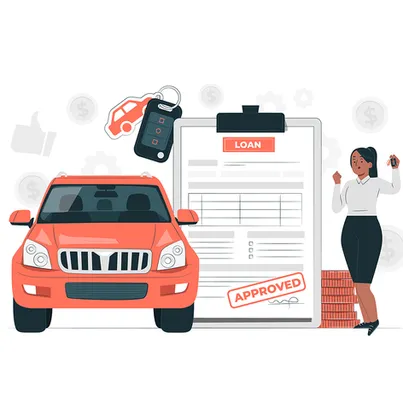
Used Car Loan
Documentation for Used Car Loan:
Identity Proof: You will need to provide a government-issued photo ID proof, such as Aadhaar card, Passport, Voter ID, or Driver’s License.
Address Proof: Submit a proof of your current address. Documents like Aadhaar card, Passport, Utility bills (electricity, water, gas), and Voter ID can be used for this purpose.
Photographs: Some lenders may require recent passport-sized photographs.
Income Proof: You will need to provide documents that demonstrate your income and repayment capacity. This can include salary slips, income tax returns (ITR), bank statements, or Form 16 for salaried individuals. Self-employed individuals may need to submit business financials and ITRs.
Employment Proof: For salaried individuals, you may need to provide employment-related documents, such as an employment offer letter, appointment letter, or employment ID.
Car Documents: If you have already selected a used car and are applying for a specific car loan, you may need to provide details about the car, including the purchase agreement, registration details, and insurance.
Eligibility for Used Car Loan:
Age: Most lenders require applicants to be at least 18 years old to apply for a used car loan. Some lenders may have specific age limits.
Income: Lenders will assess your income to determine your eligibility. You need to have a steady source of income, whether you are a salaried individual or self-employed. Your income should be sufficient to cover the loan EMIs.
Credit Score: Your credit history and credit score play a significant role in used car loan approval. A good credit score increases your chances of approval and may qualify you for lower interest rates.
Loan Amount: The amount you can borrow for a used car loan depends on your income, creditworthiness, and the lender’s policies. Lenders may offer different loan-to-value (LTV) ratios, with the remainder of the car’s price being the down payment.
Loan Tenure: Used car loans typically have a specific tenure, often ranging from 1 to 7 years. Your eligibility may be affected by the tenure you choose.
Employment Stability: Lenders may consider your employment history and stability. Salaried individuals with a consistent job history may have an advantage.
Residential Stability: Some lenders may prefer applicants who have a stable residential history, meaning they have lived in the same place for a certain period.
Other Loan Obligations: If you have existing loans or financial obligations, lenders may consider them when assessing your eligibility. Your debt-to-income ratio is an important factor.
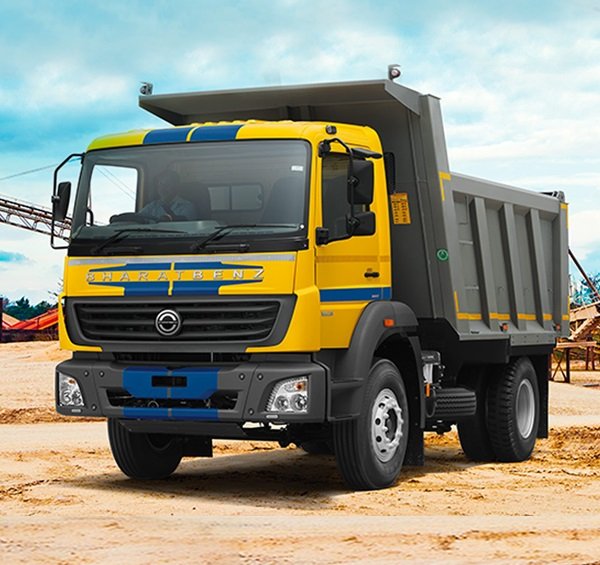
Used Commercial vehicle
Documentation for Commercial Vehicle Loan:
Identity Proof: You will need to provide a government-issued photo ID proof, such as Aadhaar card, Passport, Voter ID, or Driver’s License.
Address Proof: Submit a proof of your current address, which can include documents like Aadhaar card, Passport, Utility bills (electricity, water, gas), and Voter ID.
Photographs: Some lenders may require recent passport-sized photographs.
Income Proof: Demonstrate your income and repayment capacity with documents such as salary slips, income tax returns (ITR), bank statements, or Form 16 for salaried individuals. Self-employed individuals may need to submit business financials and ITRs.
Employment Proof: For salaried individuals, provide employment-related documents, such as an employment offer letter, appointment letter, or employment ID.
Commercial Vehicle Details: If you have already selected a commercial vehicle and are applying for a specific loan, provide details about the vehicle, including the purchase agreement, registration details, and insurance.
Eligibility for Commercial Vehicle Loan:
Age: Most lenders require applicants to be at least 18 years old to apply for a commercial vehicle loan. Specific age limits may apply depending on the lender.
Income: Lenders will assess your income to determine your eligibility. You need to have a steady source of income, whether you are a salaried individual or self-employed. Your income should be sufficient to cover the loan EMIs.
Credit Score: Your credit history and credit score play a significant role in loan approval. A good credit score increases your chances of approval and may qualify you for lower interest rates.
Loan Amount: The amount you can borrow for a commercial vehicle loan depends on your income, creditworthiness, and the lender’s policies. Lenders may offer different loan-to-value (LTV) ratios, with the remainder of the vehicle’s price being the down payment.
Loan Tenure: Commercial vehicle loans typically have a specific tenure, often ranging from 1 to 7 years. Your eligibility may be affected by the tenure you choose.
Employment Stability: Lenders may consider your employment history and stability. Salaried individuals with a consistent job history may have an advantage.
Residential Stability: Some lenders may prefer applicants who have a stable residential history, meaning they have lived in the same place for a certain period.
Other Loan Obligations: If you have existing loans or financial obligations, lenders may consider them when assessing your eligibility. Your debt-to-income ratio is an important factor.

Used Tractor Loan
Documentation for Used Tractor Loan:
Identity Proof: Provide a government-issued photo ID proof, such as Aadhaar card, Passport, Voter ID, or Driver’s License.
Address Proof: Submit a proof of your current address, which can include documents like Aadhaar card, Passport, Utility bills (electricity, water, gas), and Voter ID.
Photographs: Some lenders may require recent passport-sized photographs.
Income Proof: Demonstrate your income and repayment capacity with documents such as salary slips, income tax returns (ITR), bank statements, or Form 16 for salaried individuals. Self-employed individuals may need to submit business financials and ITRs.
Tractor Details: Provide details about the used tractor you intend to purchase, including the purchase agreement, registration details (if applicable), and any insurance information.
Eligibility for Used Tractor Loan:
Age: Most lenders require applicants to be at least 18 years old to apply for a used tractor loan. Specific age limits may apply depending on the lender.
Income: Lenders will assess your income to determine your eligibility. You need to have a steady source of income, whether you are a salaried individual or self-employed. Your income should be sufficient to cover the loan EMIs.
Credit Score: Your credit history and credit score play a significant role in loan approval. A good credit score increases your chances of approval and may qualify you for lower interest rates.
Loan Amount: The amount you can borrow for a used tractor loan depends on your income, creditworthiness, and the lender’s policies. Lenders may offer different loan-to-value (LTV) ratios, with the remainder of the tractor’s price being the down payment.
Loan Tenure: Used tractor loans typically have a specific tenure, often ranging from 1 to 7 years. Your eligibility may be affected by the tenure you choose.
Employment Stability: Lenders may consider your employment history and stability. Salaried individuals with a consistent job history may have an advantage.
Residential Stability: Some lenders may prefer applicants who have a stable residential history, meaning they have lived in the same place for a certain period.
Other Loan Obligations: If you have existing loans or financial obligations, lenders may consider them when assessing your eligibility. Your debt-to-income ratio is an important factor.
As per the Indian government and RBI, these loans are for certain business enterprises that fall under these categories: Company (Manufacturing or service provider).
Documents Needed for MSME Loan:
Business Registration Documents:
- Certificate of Incorporation (for companies)
- Partnership Deed (for partnerships)
- Memorandum and Articles of Association (for companies)
- Business licenses and permits
Financial Statements:
- Audited financial statements (profit and loss statement, balance sheet, cash flow statement) for the past 2-3 years.
- Income Tax Returns (ITR) for the business for the past 2-3 years.
- Bank statements for the business account for the last 6-12 months.
- Sales tax returns.
Personal Identification and Financial Documents of Business Owners/Partners:
- Proof of identity (Passport, Voter ID, Driving License)
- Proof of age (Birth certificate, Passport)
- PAN card (for individuals and entities)
- Salary slips for the last 3 to 6 months (if applicable)
- Form 16 and Income Tax Returns (ITR) for the last 2 to 3 years
Collateral Documents (if applicable):
- Details of assets that will be pledged as collateral, such as property, equipment, or inventory.
- Property documents, if the loan is secured against property.
Business Plan:
- A detailed business plan outlining the purpose of the loan, how the funds will be utilized, and the expected outcomes.
Eligibility Criteria for MSME Loan:
Business Type:
- Micro, Small, and Medium Enterprises (manufacturing or services) are eligible for MSME loans.
Credit Score:
- A good credit score is crucial. Lenders often have specific credit score requirements for MSME loans.
Stability:
- The business should have been in operation for a specific number of years, depending on the lender. Typically, the business should have a stable track record.
Turnover:
- The minimum and maximum annual turnover requirements can vary based on the lender. MSMEs should meet the specified turnover criteria.
CGTMSE,Credit Guarantee Fund Trust for Micro and Small Enterprises. it does so without asking for a third-party guarantee or collateral security.
Documents Needed for Unsecured CGTMSE Loan:
Business Registration Documents:
- Certificate of Incorporation (for companies)
- Partnership Deed (for partnerships)
- Memorandum and Articles of Association (for companies)
- Business licenses and permits
Financial Statements:
- Audited financial statements (profit and loss statement, balance sheet, cash flow statement) for the past 2-3 years.
- Income Tax Returns (ITR) for the business for the past 2-3 years.
- Bank statements for the business account for the last 6-12 months.
- Sales tax returns.
Personal Identification and Financial Documents of Business Owners/Partners:
- Proof of identity (Passport, Voter ID, Driving License)
- Proof of age (Birth certificate, Passport)
- PAN card (for individuals and entities)
- Salary slips for the last 3 to 6 months (if applicable)
- Form 16 and Income Tax Returns (ITR) for the last 2 to 3 years
Business Plan:
- A detailed business plan outlining the purpose of the loan, how the funds will be utilized, and the expected outcomes.
Eligibility Criteria for Unsecured CGTMSE Loan:
Business Type: Micro and Small Enterprises (manufacturing or services) are eligible for CGTMSE loans.
Turnover: The minimum and maximum annual turnover requirements can vary based on the lender. Businesses should meet the specified turnover criteria.
Profitability: The business should be profitable or should have the potential to generate profits, indicating its ability to repay the loan.
Loan Amount: The loan amount you are eligible for depends on factors like turnover, profitability, and the purpose of the loan. CGTMSE typically covers up to a certain percentage of the loan amount, reducing the risk for the lender.
Credit Score: While CGTMSE loans are meant for businesses with a lack of collateral, having a good credit history enhances the chances of approval and might secure a better interest rate.
Industry Type: Some lenders might have preferences for specific industries based on their risk assessment.

We use greenfield to describe developing a new product, as opposed to enhancing or building on an existing product.
Starting a New Greenfield Project:
Feasibility Study:
- Conduct market research, technical assessment, and financial feasibility analysis.
Business Plan:
- Include executive summary, business description, market analysis, operational plan, financial projections, and management details.
Legal and Regulatory Compliance:
- Register the business, obtain environmental clearances, permits, licenses, and protect intellectual property rights.
Financial Documentation:
- Estimate project costs, prepare funding proposals, and collate collateral documents if applicable.
Technical Documentation:
- Provide engineering plans, specify technology requirements, and detail supply chain management.
Project Timeline and Milestones:
- Create a detailed project plan with timelines and key milestones.
Risk Assessment and Mitigation Plan:
- Identify risks and develop strategies to mitigate them.
Human Resources Plan:
- Plan for workforce recruitment, training, and management.
Implementation Strategy:
- Define steps for procurement, construction, and production.
Post-Implementation Plan:
- Develop strategies for marketing, sales, and ongoing operations after project implementation.
Affordable housing refers to housing units that are affordable by that section of society whose income is below the median household income.
Documents Needed for Affordable Housing Loan:
Personal Identification Documents:
- Passport-sized photographs
- Proof of identity (Passport, Aadhaar Card, Voter ID, Driving License)
- Proof of age (Birth certificate, Passport)
Residence Proof:
- Aadhaar Card
- Voter ID
- Passport
- Utility bills (electricity, water, gas)
Income and Employment Documents:
- Salary slips for the last 3 to 6 months
- Form 16 and Income Tax Returns (ITR) for the last 2 to 3 years
- Employment certificate from the employer
- Bank statements for the last 6 to 12 months
Property Documents:
- Sale deed or title deed of the property
- Encumbrance Certificate for the last 30 years
- Property tax receipts
- Approved building plan
- NOC from relevant authorities
Financial Documents:
- Proof of investments (FDs, shares, etc.)
- Life insurance policies
- Details of other loans (if any)
Eligibility Criteria for Affordable Housing Loan:
Income Level: Eligibility is often linked to your income level, ensuring the loan is affordable based on your financial capacity. There might be specific income brackets for eligibility.
Credit Score: A good credit score (usually 750 and above) increases your chances of approval and might secure a lower interest rate.
Property Value: Affordable housing loans are typically for properties falling under a certain value. The loan amount might be a percentage of the property value, ensuring affordability.
Debt-to-Income Ratio: Lenders consider your existing debts concerning your income to ensure you can manage the additional loan.
Employment Stability: Stable employment history often positively impacts eligibility. Some lenders might require a minimum number of years in the current job.
Property Type: The property you intend to purchase should meet the criteria specified by the lender. It might include factors like the type of construction, location, and legal clearances.
Co-Applicants: Having a co-applicant with a stable income, such as a spouse or family member, can enhance eligibility.
This is an (unsecured) payment of funds given to the exporting business before the goods or services are delivered.
Documents Needed for Unsecured Exporter Finance:
Business Documents:
- Certificate of Incorporation: Proof of your company’s legal existence.
- Memorandum and Articles of Association: Outlining the company’s structure and objectives.
- GST Registration: If applicable, for taxation purposes.
Export Documents:
- Export Orders/Contracts: Detailed documents specifying the terms of the export, including quantity, quality, and pricing.
- Letter of Credit (if applicable): A letter from the buyer’s bank guaranteeing payment upon receipt of goods/services.
- Export License: If your product requires an export license.
Financial Documents:
- Audited Financial Statements: Balance sheet, profit and loss statement, and cash flow statement for the last few years.
- Income Tax Returns (ITR): Personal and business tax returns for the last few years.
- Bank Statements: Business account statements showing financial stability.
- Trade References: References from other businesses or suppliers you’ve worked with.
Export Bill/Invoice:
- Proforma Invoice: A preliminary invoice provided to the buyer before the delivery of goods.
- Commercial Invoice: The final invoice provided upon the shipment of goods.
Credit Reports:
- Business Credit Report: Showing your company’s credit history.
- Personal Credit Report: Your personal creditworthiness might also be assessed.
Legal Documents:
- Partnership Agreements or Shareholder Agreements: If applicable.
- Personal Guarantees: Personal guarantees from directors or partners might be required.
Eligibility Criteria for Unsecured Exporter Finance:
Creditworthiness:
- A good credit history for both the business and its owners is crucial.
Export Experience:
- Demonstrated experience in successful export operations, showing your ability to manage international transactions.
Stable Financials:
- Stable financial statements, positive cash flow, and profitability enhance your eligibility.
Reputation and Business Standing:
- A positive reputation in the market and good standing with trade partners are important.
Industry Specifics:
- The nature of your export business and the industry you operate in can influence eligibility. Some industries might be perceived as riskier than others.
Loan Amount:
- The amount you’re eligible for will depend on your financial statements, export orders, and the lender’s policies.
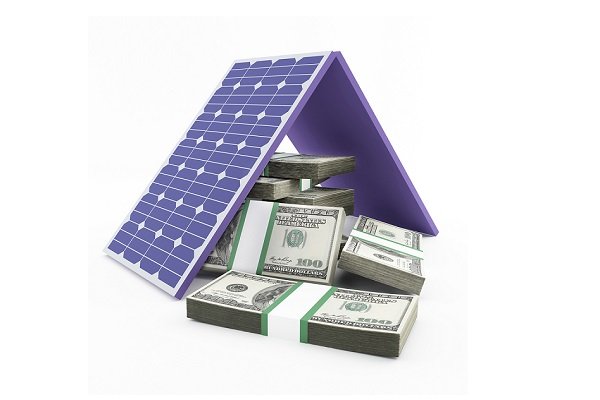
The scheme facilitates and speed up installation of grid connected solar power projects for electricity generation on a large scale. All the States and Union.
Documents Needed for Solar Funding:
Project Proposal:
- Detailed overview of the solar project, including technical specifications, location, and objectives.
- Feasibility study outlining economic viability, energy production estimates, and financial projections.
- Environmental impact assessment and sustainability plans.
Legal and Regulatory Documents:
- Permits and licenses from local and national authorities for the solar installation.
- Land documents proving ownership or lease agreement for the project site.
- Environmental clearances and compliance certificates.
Financial Documents:
- Detailed project cost estimates, including equipment costs, labor, installation, and operational expenses.
- Financial projections, ROI calculations, and payback period analysis.
- Audited financial statements for existing businesses (if applicable).
Technical Documents:
- Engineering and technical designs for the solar installation, including layouts and schematics.
- Equipment specifications, including solar panels, inverters, batteries, and mounting structures.
Contractual Documents:
- Agreements with suppliers and contractors for the supply of solar equipment and installation services.
- Power Purchase Agreements (PPAs) if the project involves selling energy to the grid.
Insurance Documents
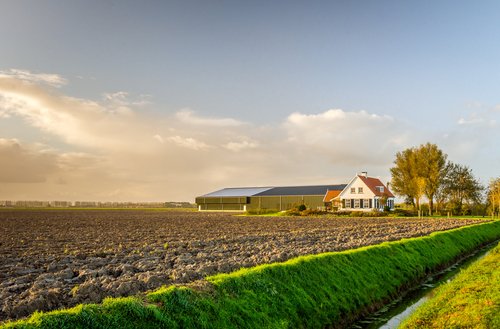
Farmhouse loan refers to the financial assistance extended to the farmers for building infrastructure for farm use and its dwelling units.
Documents Needed for Farm House Funding:
Personal Identification Documents:
- Passport-sized photographs
- Proof of identity (Passport, Aadhaar Card, Voter ID, Driving License)
- Proof of age (Birth certificate, Passport)
Residence Proof:
- Aadhaar Card
- Voter ID
- Passport
- Utility bills (electricity, water, gas)
Income and Employment Documents:
- Salary slips for the last 3 to 6 months
- Form 16 and Income Tax Returns (ITR) for the last 2 to 3 years
- Employment certificate from the employer
- Bank statements for the last 6 to 12 months
Property Documents:
- Sale deed or title deed of the farm house property
- Encumbrance Certificate for the last 30 years
- Property tax receipts
- Approved building plan
- NOC from relevant agricultural or rural development authorities
Financial Documents:
- Proof of investments (FDs, shares, etc.)
- Agricultural income documents (if applicable)
- Details of other loans (if any)
Eligibility Criteria for Farm House Funding:
Income Level: Your income level, including agricultural income, if applicable, should be sufficient to support the loan amount.
Credit Score: A good credit score (usually 750 and above) increases your chances of approval and might secure a lower interest rate.
Property Value: The property value, including the farm house and surrounding agricultural land, should meet the lender’s criteria. The loan amount might be a percentage of the total property value.
Debt-to-Income Ratio: Lenders consider your existing debts concerning your income to ensure you can manage the additional loan.
Property Type: The farm house property should meet the criteria specified by the lender. It might include factors like the type of construction, location, and legal clearances.
Land Use: The land use should comply with local zoning and agricultural regulations. Certain areas might have restrictions on constructing farm houses, especially on agricultural land.
Co-Applicants: Having a co-applicant with a stable income, such as a spouse or family member, can enhance eligibility.
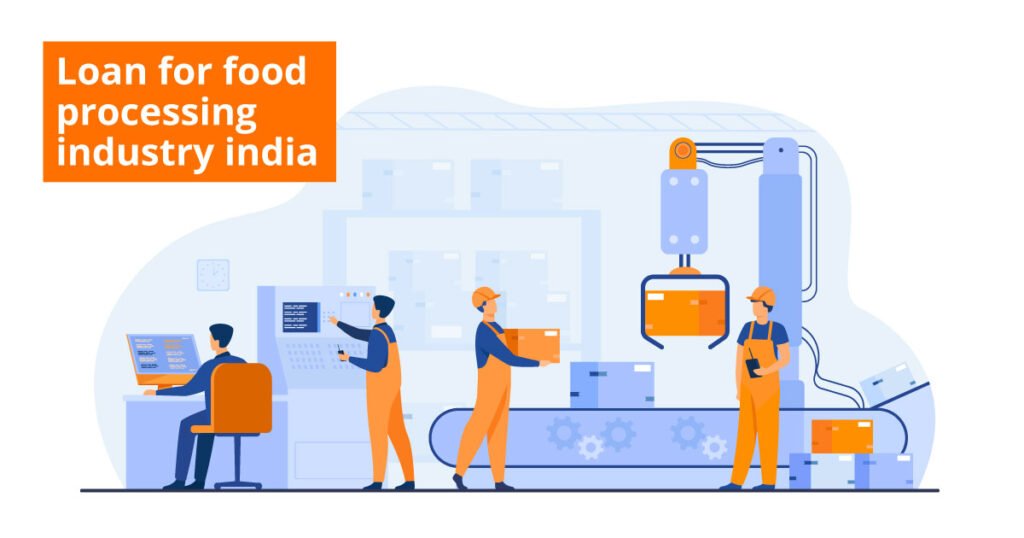
Central Sector Scheme – Pradhan Mantri Kisan SAMPADA Yojana (Scheme for Agro-Marine Processing and Development of Agro-Processing Clusters) and Many More...
Documents Needed for Food Processing Loan:
Business Plan:
- Detailed business plan outlining the food processing project, including the type of processed food, production capacity, marketing strategy, and revenue projections.
- Financial projections, including startup costs, operating expenses, revenue forecasts, and profitability estimates.
- Market analysis, including target market, competitors, and pricing strategy.
Legal and Regulatory Documents:
- Certificate of incorporation for the food processing entity.
- Licenses and permits from local and national food safety and regulatory authorities.
- NOC from the pollution control board (if applicable).
- Environmental clearances if the processing unit has potential environmental impact.
Financial Documents:
- Audited financial statements for the last few years (if the business is already operational).
- Income Tax Returns (ITR) for the business and its owners/partners.
- Bank statements for the business accounts.
- Details of existing debts and liabilities.
Production and Technology Documents:
- Details of the production process, including technology, machinery, and equipment specifications.
- Agreements with suppliers for raw materials and packaging materials.
- Quality control and assurance procedures.
Marketing and Distribution Plans:
- Marketing strategy outlining how the processed food products will be marketed and distributed.
- Agreements with distributors, retailers, or online platforms for product placement and sales.
Insurance Documents:
- Business insurance policies covering property, equipment, liability, and business interruption.
Eligibility Criteria for Food Processing Loan:
Viability of the Project:
- The food processing project should be economically viable, with a clear market demand for the processed products.
- The project should demonstrate a sustainable business model and profitability.
Compliance with Regulations:
- The business should comply with all food safety and quality regulations and standards set by local and national authorities.
Creditworthiness:
- The business owners or partners should have a good credit history and demonstrate financial stability.
Technical Know-how:
- The management team should have the technical knowledge and expertise to operate a food processing unit efficiently.
Market Demand and Innovation:
- The processed food products should cater to a specific market demand, and innovation in product development can enhance eligibility.
Quality and Standards:
- The processed food products should meet quality standards and certifications, ensuring consumer safety and satisfaction.
Export Potential (if applicable):
- If the business aims to export processed food products, it should demonstrate export potential and compliance with international standards.

India has a multi-payer universal health care model that is paid for by a combination of public and private health insurance funds along with the element of almost entirely tax-funded public hospitals.
Documents Needed for Hospital Funding:
Business Plan:
- Detailed business plan outlining the scope, objectives, and services offered by the hospital.
- Financial projections, including revenue forecasts, operating costs, and profitability estimates.
- Market analysis and competitive research.
Legal and Regulatory Documents:
- Certificate of incorporation for the hospital.
- Licenses and permits from healthcare regulatory authorities.
- Zoning and land-use permits for the hospital building and premises.
- Environmental clearances if applicable.
Financial Documents:
- Audited financial statements for the last few years (if the hospital is already operational).
- Income Tax Returns (ITR) for the hospital and its owners/partners.
- Bank statements for the hospital’s accounts.
- Details of existing debts and liabilities.
Property Documents:
- Sale deed or title deed of the land and building where the hospital will be constructed.
- Approved building plans and NOC from local municipal authorities.
- Property tax receipts and clearances.
Medical Equipment and Technology:
- Specifications and quotes for medical equipment and technology needed for the hospital.
- Agreements with suppliers and service providers.
Contractual Documents:
- Contracts with healthcare professionals, doctors, nurses, and administrative staff.
- Service agreements with vendors providing essential services to the hospital.
Insurance Documents:
- Liability insurance for the hospital and its staff.
- Property insurance for the hospital building and contents.
Eligibility Criteria for Hospital Funding:
Business Viability:
- The hospital project should demonstrate long-term viability, including a sustainable business model and market demand for healthcare services in the area.
Regulatory Compliance:
- The hospital must comply with all healthcare regulations and standards set by the relevant authorities.
Creditworthiness:
- The hospital owners or partners should have a good credit history and demonstrate financial stability.
Experience and Expertise:
- The management team should have relevant experience in healthcare management and operations.
Feasibility and Sustainability:
- The hospital project should have a clear feasibility plan, including patient volume projections, revenue streams, and sustainability measures.
Quality of Care:
- The hospital should adhere to high standards of patient care and safety, as well as maintain necessary certifications and accreditations.
Partnerships and Alliances:
- Partnerships with healthcare organizations, medical colleges, or research institutions can enhance the hospital’s credibility and eligibility for funding.

Hotels can be financed with bank loans, SBA loans, commercial real estate loans, equipment loans, bridge loans or hard money loans. You can get these types of financing from traditional and alternative lenders.
Documents Needed for Hotel & Resort Funding:
Business Plan:
- Detailed business plan outlining the concept, target market, amenities, marketing strategy, and revenue projections for the hotel or resort.
- Financial projections, including revenue forecasts, operating costs, and profitability estimates.
- Market analysis and competitive research.
Legal and Regulatory Documents:
- Certificate of incorporation for the hotel or resort entity.
- Licenses and permits from local and national hospitality and tourism regulatory authorities.
- Zoning and land-use permits for the hotel or resort property.
- Environmental clearances if applicable.
Financial Documents:
- Audited financial statements for the last few years (if the hotel or resort is already operational).
- Income Tax Returns (ITR) for the hotel or resort and its owners/partners.
- Bank statements for the hotel or resort’s accounts.
- Details of existing debts and liabilities.
Property Documents:
- Sale deed or title deed of the land and building where the hotel or resort will be constructed.
- Approved building plans and NOC from local municipal authorities.
- Property tax receipts and clearances.
Construction and Interior Design Plans:
- Specifications, blueprints, and designs for the hotel or resort construction, including room layouts, amenities, and common areas.
- Interior design plans and themes.
Contractual Documents:
- Contracts with architects, contractors, and interior designers.
- Agreements with suppliers for furnishings, fixtures, and equipment.
- Employment contracts for key staff members.
Insurance Documents:
- Property insurance for the hotel or resort building and contents.
- Liability insurance for the hotel or resort operations and staff.
Eligibility Criteria for Hotel & Resort Funding:
Business Viability:
- The hotel or resort project should demonstrate a viable business model, including market demand, competitive pricing, and revenue generation potential.
Experience and Expertise:
- The management team should have relevant experience in the hospitality industry, including hotel or resort management and operations.
Creditworthiness:
- The hotel or resort owners or partners should have a good credit history and demonstrate financial stability.
Quality and Standards:
- The hotel or resort should meet industry standards for quality, amenities, and guest experience. Adherence to standards and certifications can enhance eligibility.
Market Demand and Location:
- The hotel or resort’s location should be in a high-demand area for tourism or business travel, ensuring a steady flow of guests.
Partnerships and Alliances:
- Partnerships with travel agencies, online booking platforms, or hospitality associations can enhance the hotel or resort’s market reach and eligibility for funding.

Borrowers who want to buy land and construct a house on it can avail plot loan and construction loans to design the house the way they want. Buying property does not only mean buying a readymade house in a residential complex.
Documents Needed for Purchase Plus Construction Loan:
Personal Identification and Financial Documents:
- Passport-sized photographs
- Proof of identity (Passport, Aadhaar Card, Voter ID, Driving License)
- Proof of age (Birth certificate, Passport)
- Proof of residence (Utility bills, Rental agreement)
Income and Employment Documents:
- Salary slips for the last 3 to 6 months
- Form 16 and Income Tax Returns (ITR) for the last 2 to 3 years
- Employment certificate from the employer
- Bank statements for the last 6 to 12 months
Property Documents:
- Sale deed or title deed of the property you are purchasing.
- Approved building plans and NOC from local municipal authorities.
- Encumbrance Certificate for the last 30 years.
- Property tax receipts and clearances.
Construction or Renovation Documents:
- Detailed construction or renovation plans and cost estimates from a licensed contractor.
- Contractor agreements and construction schedules.
- Progress reports from the contractor during the construction phase.
Legal and Regulatory Documents:
- Licenses and permits from local and national authorities for the construction work.
- Environmental clearances if applicable for the construction or renovation.
Financial Documents for Construction:
- Detailed breakdown of construction costs, including materials, labor, permits, and overheads.
- Invoices and receipts from construction-related expenses.
Insurance Documents:
- Builder’s risk insurance for the construction phase.
- Property insurance covering the completed structure.
Loan Documents:
- Loan application form and loan agreement documents from the lender.
- Disbursement schedules outlining how the funds will be released during construction.
Eligibility Criteria for Purchase Plus Construction Loan:
Creditworthiness:
- A good credit score (usually 750 and above) increases your chances of approval and might secure a lower interest rate.
Stable Income:
- A stable source of income is crucial. Lenders assess your debt-to-income ratio to ensure you can manage the loan repayments.
Loan Amount:
- The loan amount is typically based on the lower of the appraised value of the completed property or the total costs of the purchase and construction.
Construction Plans:
- Clear and detailed construction plans with a breakdown of costs are necessary for loan approval.
Legal Compliance:
- The property should have clear titles and meet all legal and regulatory requirements for construction.
Down Payment:
- You might need to make a down payment, typically a percentage of the total project cost.
Manufacturers/traders/service Providers / Water Treatment Plant / Liquor Industry/ Negative Profile / All Profiles Are Accepted.